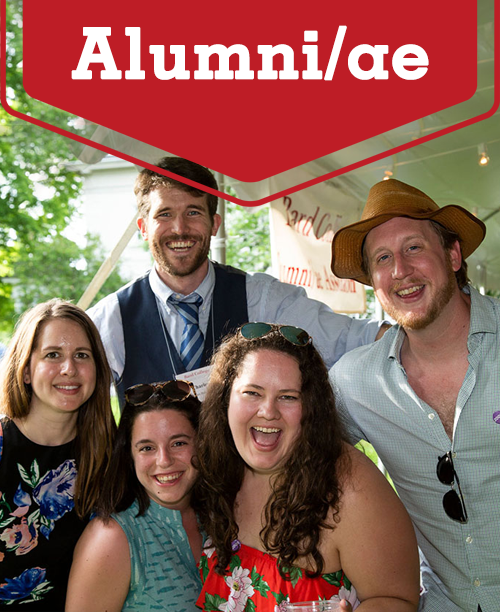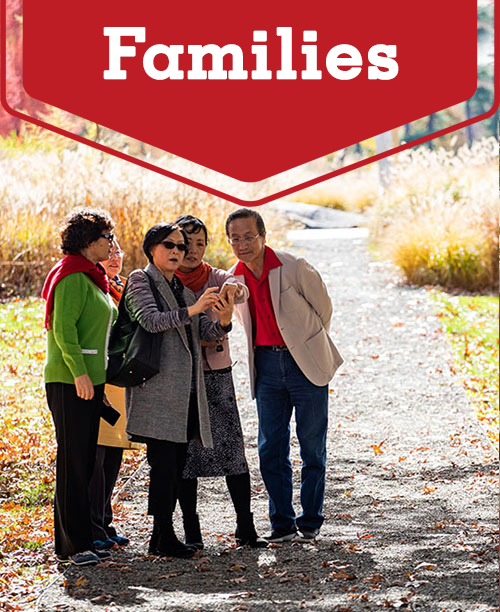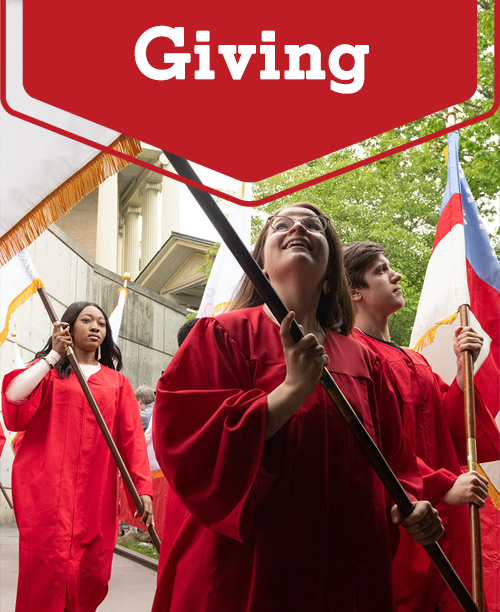

You are an integral part of the Bard community. Together, we lift up the next generation of Bardians and bring Bard’s mission to the world.
The Office of Development and Alumni/ae Affairs supports the relationship between Bard College and its alumni/ae, families, and friends. We champion the impact of our graduates and forge connections between donors and our campuses.
The Office of Development and Alumni/ae Affairs supports the relationship between Bard College and its alumni/ae, families, and friends. We champion the impact of our graduates and forge connections between donors and our campuses.